
Bladder
Leaking, urgency, rushing to the toilet, common experiences. Not ones you have to accept.
Bladder symptoms affect a significant number of women at some point in their lives, yet the majority suffer in silence, assuming it's just part of ageing, motherhood or being a woman.
It isn't. And pelvic floor physiotherapy is one of the most effective evidence-based treatments available for bladder dysfunction. At Fitt Physiotherapy we assess and treat a wide range of bladder conditions and we do it in a warm, thorough and non-judgmental environment.
What is normal bladder function?

Before we talk about what goes wrong, it helps to know what normal actually looks like. Many women have lived with abnormal bladder habits for so long they've forgotten what normal feels like.
Normal bladder function means:
✦ Voiding 4 to 6 times per day, roughly every 3 to 4 hours
✦ Getting up zero to once overnight
✦ Being able to hold on comfortably when you feel the urge, without rushing
✦ A continuous, steady flow with no stopping and starting
✦ Feeling that your bladder is fully empty after voiding
✦ No leaking, not with coughing, sneezing, exercise or urgency
✦ No pain during or after urination
If any of these don't sound like you, you're not alone, and there is help available.
Stress Urinary Incontinence

Stress urinary incontinence is leaking that occurs with physical exertion such as coughing, sneezing, laughing, jumping, running or lifting.
It happens when the pressure generated by that activity exceeds what your pelvic floor can manage. It affects up to 1 in 3 women at some point, making it one of the most common pelvic floor conditions we treat.
Common triggers include:
✦ Coughing or sneezing
✦ Laughing
✦ Running or jumping
✦ Lifting — including lifting children
✦ Getting up quickly from a chair
Stress urinary incontinence is highly treatable, often without surgery. A pelvic floor physiotherapy assessment is the essential first step.
Urge Urinary Incontinence
Urge urinary incontinence is leaking that occurs with a sudden, strong urge to void, before you can make it to the toilet.
This is a bladder coordination and retraining issue rather than simply a strength issue and it responds very well to physiotherapy. Common triggers include hearing running water, arriving home and putting the key in the door, or feeling cold.
You may also experience bladder urgency without leaking, a sudden overwhelming need to go that is difficult to suppress. This is equally treatable and equally worth addressing.
Bladder frequency
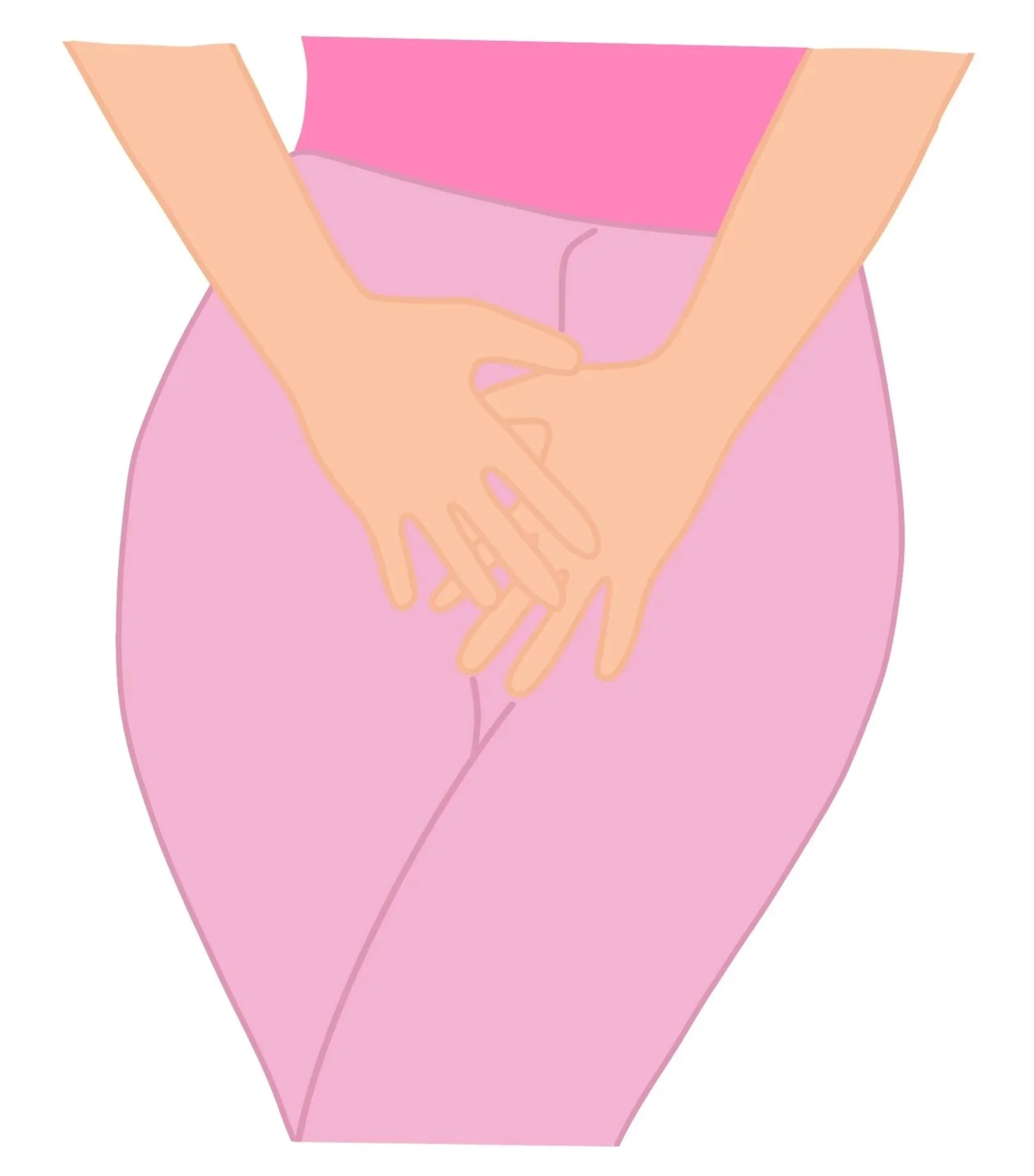
Bladder frequency is needing to go more than 6 to 8 times per day and is one of the most disruptive bladder symptoms affecting daily life, work and sleep.
It is often driven by habits that have developed gradually over time, including going to the toilet "just in case," restricting fluid intake, or responding to every small urge. These habits feel helpful but actually train the bladder to signal urgency at smaller and smaller volumes.
Bladder retraining, guided by a pelvic floor physiotherapist, is a highly effective treatment for frequency and urgency.
Interstitial Cystitis
Interstitial cystitis, also known as bladder pain syndrome, is a chronic inflammatory condition of the bladder characterised by:
✦ Persistent pelvic or bladder pain or pressure
✦ Significant urinary urgency
✦ Urinary frequency, sometimes up to 60 times per day in severe cases
Approximately 85% of people with interstitial cystitis have associated pelvic floor dysfunction, making pelvic floor physiotherapy an important part of a multidisciplinary treatment approach alongside your GP or urologist.
If you have been diagnosed with interstitial cystitis or suspect you may have it, please see our pelvic pain page for more information, or contact us to discuss whether physiotherapy is appropriate for your situation.
How we assess and treat
At Fitt Physiotherapy our bladder assessments are comprehensive, individualised and always conducted with care and respect.
Your assessment will include:
✦ A detailed bladder and bowel history, including fluid intake, diet and daily habits
✦ A bowel assessment, because bowel health directly affects bladder function
✦ Pelvic floor muscle assessment, evaluating strength, coordination and relaxation
✦ Discussion of your symptoms, goals and treatment options
Treatment may include:
✦ Bladder retraining — a structured program to gradually increase bladder capacity and reduce urgency
✦ Pelvic floor muscle training — strengthening or relaxation depending on your individual assessment findings
✦ Fluid and dietary advice — including bladder irritants and optimal hydration
✦ Behavioural strategies — urgency suppression techniques and habit modification
✦ Manual therapy — for pelvic floor tension contributing to bladder symptoms
✦ Referral — to your GP, urologist or gynaecologist where appropriate
You don't have to plan your life around your bladder.
Bladder symptoms are common and very treatable. Let us help.