
Pelvic Floor
It does more than you think and it deserves more care than it gets.
What is the pelvic floor?
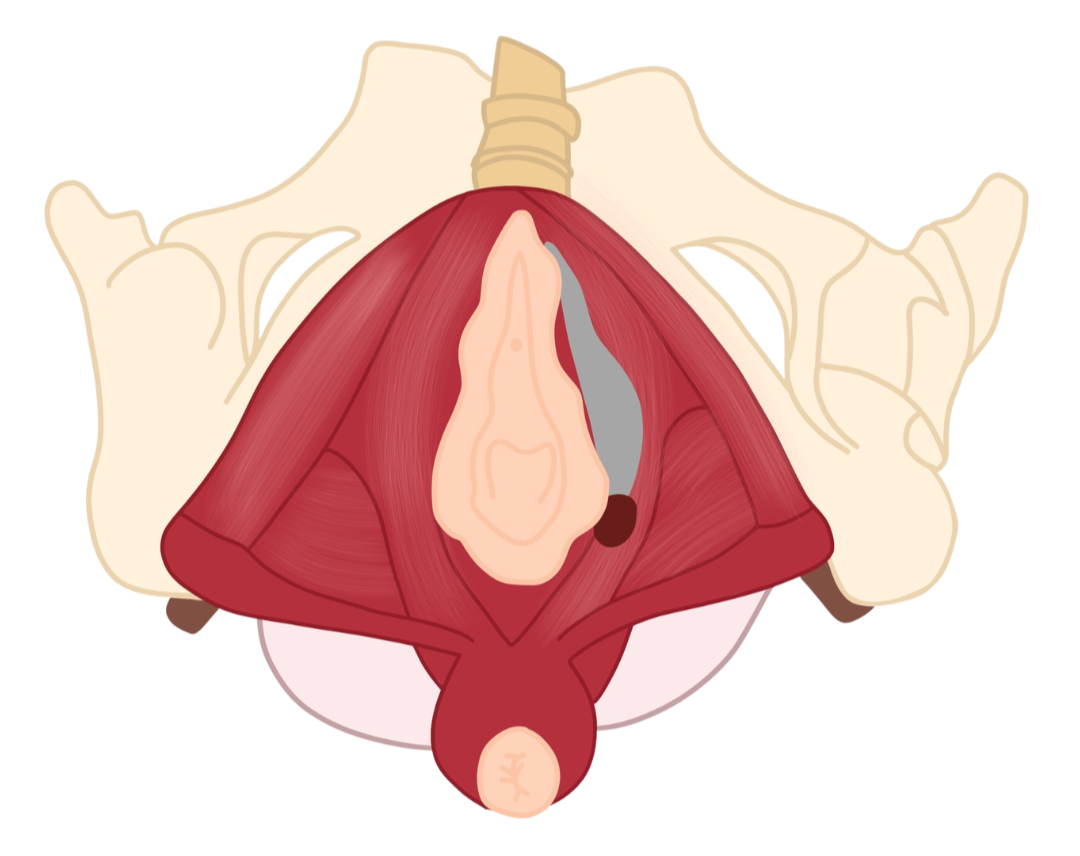
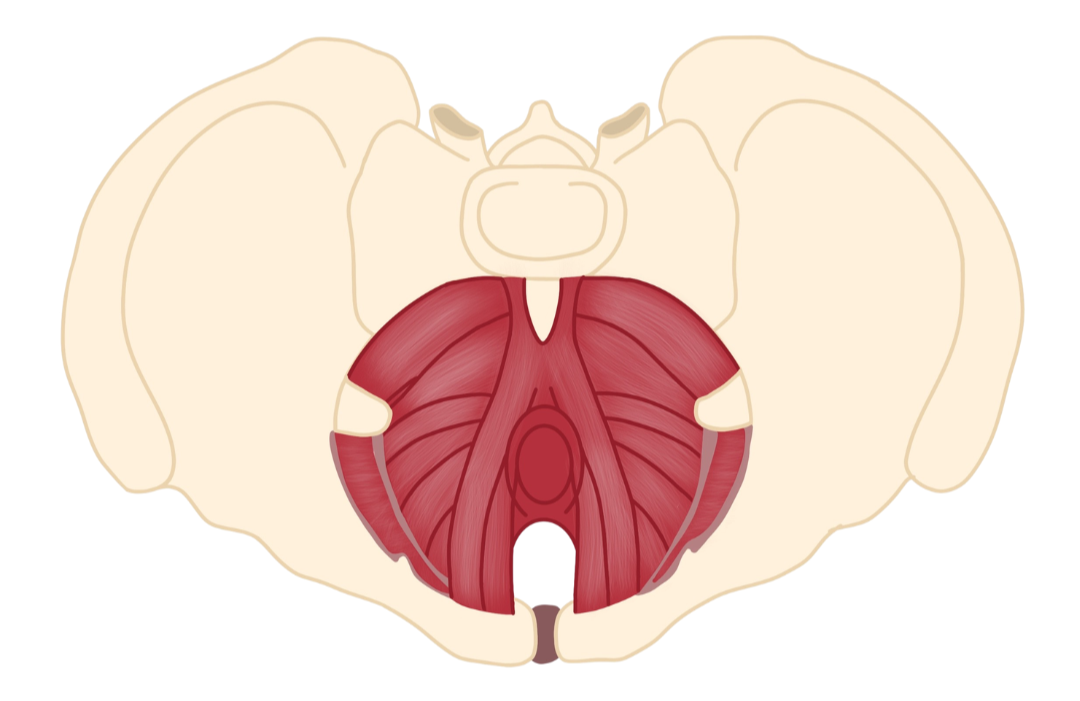
Your pelvic floor is a group of muscles, ligaments and connective tissue that forms the base of your pelvis, stretching from your pubic bone at the front to your tailbone at the back, and across both sitting bones on either side.
It sits beneath your bladder, uterus and bowel, and it works constantly, mostly without you even thinking about it.
There are two main layers:
The superficial layer — surrounds the openings to the urethra, vagina and anus
The deep layer — extends between your legs from pubic bone to tailbone, providing the majority of your support and control
Both layers work together and both are affected by pregnancy, birth, hormonal changes and the demands of everyday life.
What does your pelvic floor do?
A healthy pelvic floor has five key functions and when any one of them isn't working well, you'll usually know about it.
Support — holds your pelvic organs in their correct position against gravity and increases in pressure
Continence — keeps your bladder and bowel closed when you don't want to go, and opens them when you do
Sexual function — contributes to arousal, sensation and orgasm. Changes in pelvic floor function after birth or at menopause can affect sexual comfort and satisfaction
Pressure management — responds to increases in intra-abdominal pressure such as coughing, sneezing, lifting, exercising, to protect your bladder and bowel
Urgency inhibition — helps suppress the sudden urge to go until you're ready
Importantly, relaxation is just as important as strength. A pelvic floor that can't fully let go causes just as many problems as one that's weak. This is something we assess and treat every day at Fitt Physiotherapy.
Signs your pelvic floor needs attention
You don't need to be postpartum to benefit from pelvic floor physiotherapy. We see women at every stage of life, from pregnancy through to menopause and beyond.
You might benefit from an assessment if you experience:
Leaking with coughing, sneezing, laughing or exercise
A sudden strong urge to go that's difficult to control
Going to the toilet more than 6–8 times per day
Getting up more than once overnight to void
A feeling of heaviness, pressure or bulging in the vaginal area
Difficulty fully emptying your bladder or bowel
Pain during or after sex
Pelvic, hip or lower back pain
Leaking wind or difficulty controlling your bowel
And even if you have no symptoms at all, a pelvic floor assessment during pregnancy or postpartum is one of the most proactive things you can do for your long-term health.
What causes pelvic floor dysfunction?

Pelvic floor dysfunction can be caused by a wide range of factors and it's far more common than most people realise.
Contributing factors include:
Pregnancy — the weight and hormonal changes of pregnancy affect the pelvic floor throughout all three trimesters
Vaginal birth — particularly first birth, instrumental delivery, prolonged pushing or large babies
Caesarean birth — often overlooked, but the pelvic floor is still affected by pregnancy itself
Repetitive heavy lifting or high impact exercise without adequate support
Chronic cough or constipation — both increase downward pressure on the pelvic floor
Hormonal changes — menopause significantly affects the strength and elasticity of pelvic floor tissues
Pelvic floor overactivity — where muscles are too tight rather than too weak
How we assess and treat
At Fitt Physiotherapy, every pelvic floor assessment is thorough, individualised and conducted in a warm, private and respectful environment.
Your assessment will include:
A detailed health and symptom history
An explanation of what the assessment involves before we begin, nothing happens without your understanding and consent
Internal pelvic floor assessment, evaluating muscle strength, coordination, relaxation capacity and pelvic floor anatomy
Abdominal and core assessment where relevant
Treatment is tailored to your individual findings and may include:
Pelvic floor muscle training — both strengthening and relaxation
Bladder and bowel retraining
Manual therapy — hands-on treatment of tight or restricted muscles
Real-time ultrasound — to provide visual biofeedback during assessment and treatment
Pressure management and movement strategies
A personalised home exercise program
Referral to our clinical psychologist where pelvic health has affected emotional wellbeing
It is never too early or late to start looking after your pelvic floor.
Ready to take the first step?
Our friendly team is here to help, whether you're pregnant, postpartum, or at any other stage of life.