Postpartum
You grew and birthed a human. Your recovery deserves the same care and attention as everything that came before.
The fourth trimester, the first 12 weeks after birth, is one of the most physically demanding and least supported periods of a woman's life. Your body has just done something extraordinary, and it needs time, guidance and proper care to recover well.
At Fitt Physiotherapy we support women through every aspect of postpartum recovery, from your first assessment at 6 weeks through to return to sport, running and high impact exercise. Whether your birth was straightforward or complex, vaginal or caesarean, your recovery matters and we are here for it.
Why your physio check matters more than your GP check
Your GP 6-week check is an important milestone but it does not assess your pelvic floor, your abdominal separation or your readiness to return to exercise. That is what we do.
Your Initial Postpartum Pelvic Floor Consultation at Fitt Physiotherapy is a comprehensive assessment of everything your body has been through and everything it needs to recover well.
We assess:
Pelvic floor muscle function — strength, coordination, relaxation and any signs of injury
Perineal healing — including scar tissue assessment and treatment after vaginal birth
Caesarean scar assessment and hands-on treatment from 6 weeks
Abdominal separation — gap, tension and load transfer capacity
Bladder and bowel function
Prolapse screening
Core function and readiness to progress exercise
Based on your assessment we will:
Discuss your findings clearly and honestly
Provide a personalised rehabilitation program
Give you specific exercise clearance, not a blanket "you're fine to exercise"
Refer to our clinical psychologist if birth has had an emotional impact
Privately billed at our initial 45-minute consultation rate. Medicare rebate available with GP referral. Private health extras accepted.
Common postpartum pelvic floor symptoms
Pelvic floor symptoms after birth are incredibly common but common does not mean permanent, and it absolutely does not mean you have to accept them as your new normal.
Symptoms we treat every day include:
Leaking with coughing, sneezing, laughing or exercise — affects up to 1 in 3 postpartum women
Sudden strong urges to go that are difficult to control
Difficulty fully emptying the bladder or bowel
A feeling of heaviness or pressure in the vaginal area
Pelvic organ prolapse symptoms — affecting up to 50% of women after one vaginal birth
Pain during or after sex — affects up to 62% of women after childbirth
Leaking wind or bowel control difficulties
All of these are treatable. The sooner they are assessed the faster they resolve. Please don't wait and hope they improve on their own, come in and let us help.
Caesarean birth recovery, it's more than just the scar
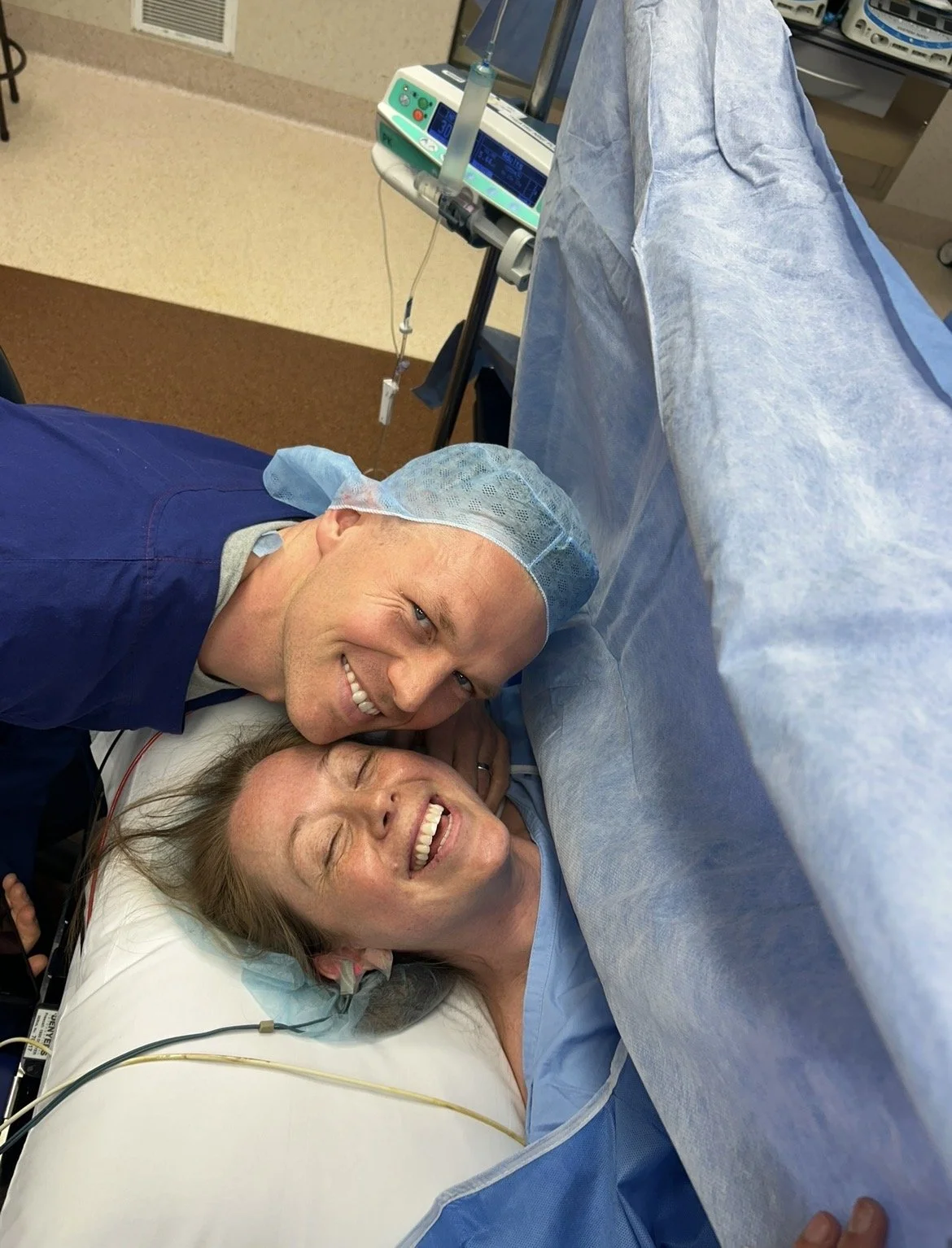
Caesarean recovery is often underestimated, by the healthcare system and by women themselves. Your scar represents a wound through seven layers of tissue and your internal healing takes up to 12 months, long after the external scar has closed.
We support caesarean recovery through:
Scar assessment and hands-on treatment from 6 weeks, improving mobility, reducing sensitivity and preventing adhesions
Pelvic floor rehabilitation, because caesarean birth still affects the pelvic floor through the demands of pregnancy itself
Core reconnection — rebuilding the relationship between your core and pelvic floor after abdominal surgery
Return to exercise guidance — graduated, safe and individually timed
If you've had a caesarean and assumed you don't need pelvic floor physiotherapy, please reconsider. We see the difference early intervention makes every single day.
Abdominal separation — rectus diastasis
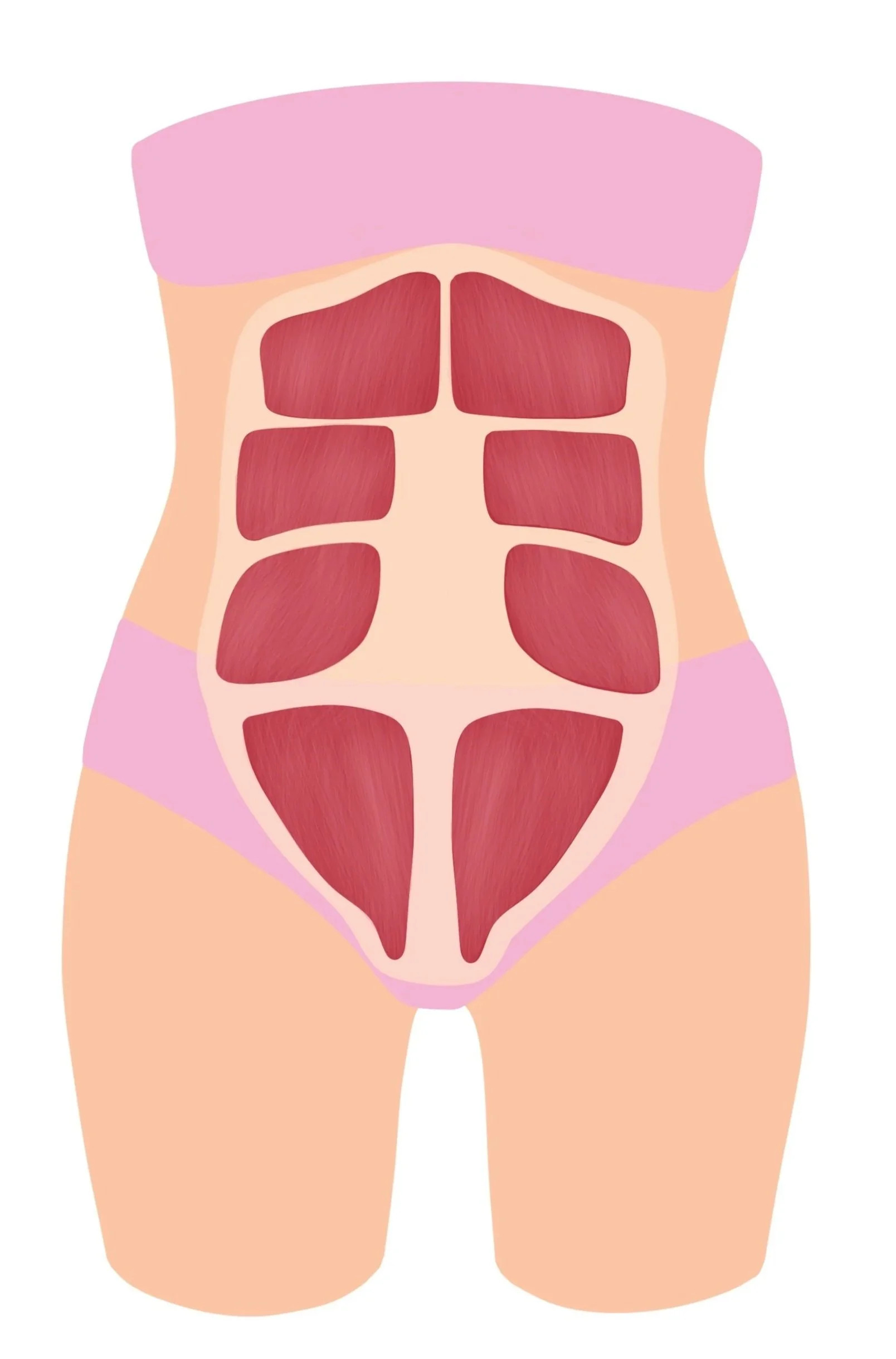
Abdominal separation, known as rectus diastasis or DRAM, occurs when the two columns of the rectus abdominis muscle separate along the midline during pregnancy. It affects the majority of pregnant women to some degree.
It is not a tear. It is not something to fear. And closing the gap is not the goal, restoring function is.
At your assessment we evaluate:
The width and depth of the separation
The tension and load transfer capacity of the linea alba
How your core is functioning as a system
What to avoid until assessed:
Exercises that create discomfort or pain
Exercises that create doming — a bulge through the midline of your abdomen
Heavy lifting beyond your baby in the first 6 weeks
Breath holding during exertion
Our physiotherapists will guide you through a safe, progressive rehabilitation program tailored to your individual findings.
Returning to exercise after birth
Returning to exercise postpartum is not a one-size-fits-all process — and the timeline matters. Returning too soon is one of the most common causes of ongoing pelvic floor symptoms in active women.
General guidelines:
Timeline
Weeks 0-6
4-6 weeks
6-12
12-16
16 weeks +
Whats appropriate
Rest, gentle walking, pelvic floor activation if cleared
Physiotherapy assessment — your starting point
Progressive strength training, swimming, cycling with clearance
Progressive loading, increased intensity with guidance
Return to running and high impact with physiotherapy clearance
The most important thing to know: your GP 6-week check does not clear you for all exercise. A physiotherapy assessment does. These are two completely different evaluations and the physiotherapy assessment is the one that actually determines your readiness.
Take your recovery further, at home, at your own pace
Designed by Rachel Fitt — Senior Pelvic Floor & Continence Physiotherapist
12 weeks of progressive pelvic floor and strength training
Suitable for vaginal and caesarean birth
Start from 1 week postpartum
No equipment required
Self-paced — work around nap times and feeds
Instant digital download
Evidence-based. Pelvic floor informed. Designed for real postpartum life.
Designed by Rachel Fitt — Senior Pelvic Floor & Continence Physiotherapist
9-week return to running program
Suitable for vaginal and caesarean birth
Start from 12 weeks postpartum
Three sessions per week
Builds to a continuous 35-minute run
Includes strength test, warm up drills and cool down stretches
Instant digital download
Safe. Progressive. Evidence-based.
Your body did something extraordinary
Let us help you recover it properly.